“This is what the Lord of Heaven’s Armies says: Look at what’s happening to you! You have planted much but harvest little. You eat but are not satisfied. You drink but are still thirsty. You put on clothes but cannot keep warm. Your wages disappear as though you were putting them in pockets filled with holes!” (Haggai 1:5-6 NLT)
There are seasons to our lives. Every calendar year sees winter turn into spring, turn into summer, turn into fall. In a similar way, our lives follow seasons. Childhood turns into teen years, turn into young adult years, turn into middle adult years, turn into senior adult years. But in my life, and I suspect yours, there are other seasons as well. Seasons of celebration and joy, of heartache and pain, of suffering and sickness, of gain and loss, of progress and stagnation.
The recent Covid Pandemic, the effects of which still linger, has initiated many “seasons” in our lives, some experienced for the first time. We’ve seen jobs change and come and go. Church attendance tanked and a lot of churches have closed. The stress has brought an increase in divorce and a decrease in births. Mental and emotional issues have skyrocketed, especially among the younger females.
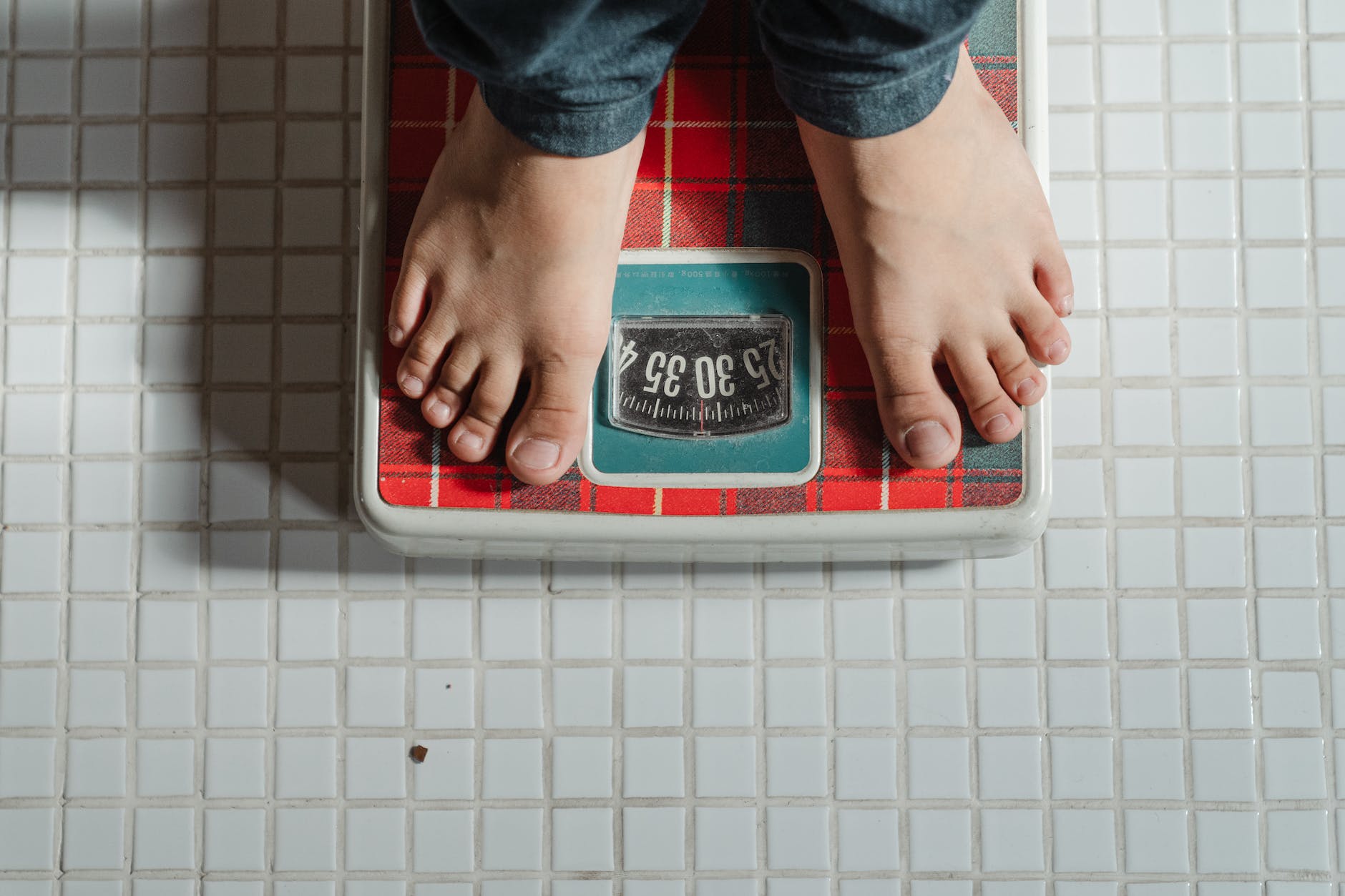
What’s my point? Life is hard, but we often make it harder by trying to maintain the proverbial “status quo.” The popular question I’ve heard asked many times is: “When will things get back to ‘normal?’” Or asked another way: “Will things EVER get back to ‘normal?’”
One thing I’ve learned in my journey with Jesus is HE IS our new normal. Wherever He leads and whatever He instructs is “normal” for a Jesus follower. We compound the problems and extend the difficult seasons by wanting things to “be like they were.” When a loved one dies, you go through a divorce, or lose your job, there’s no return to normal. “Things” have forever changed.
Pastor Rick Warren had a helpful word in a recent devotional: “Whether you’re returning to life after a pandemic, a divorce, an illness, or another time of great fear or loss, don’t automatically say, ‘Well, I’m just going to do everything the way I’ve always done it.’ Why? Because hardship changes people. You’re not the same person after a trauma that you were before. Instead of returning to the same old patterns, behaviors, and habits, God wants to give you an opportunity to reset your life. There are likely some things you were doing before the hard times that you shouldn’t start up again.”
In some ways a reset or setback is a great time to start new habits and discard some that weren’t helpful. My mom was an alcoholic when I was growing up, so I’ve never spent much time in a bar, except to eat. But some have created a habit of stopping by the bar/club after work every day. Why? “Because it’s how I unwind after a hard day.” Really?
Jesus followers have to create new, improved ways of coping with change or “hard days.” And one of the best ways to do that is to create meaningful, well thought out “Not-to-Do” lists. For example, rather than spending hours on your phone or laptop, begin the day in God’s Word, the Bible. Start with a chapter a day, with a pen and pad handy to take notes or jot down questions that arise from your reading. Set aside intentional time each day to speak with the Lord about what’s going on in your life.
If you have a family or close friends, make them a priority in your “new” schedule. Addictions begin one event at a time – one drink at a time, one visit to a website at a time, etc. Break the cycle of addictive behaviors by replacing wrong thoughts or activities with “right” thoughts or activities. Every habit, both good and bad, begins in your mind. What you think about comes about. When you make the decision to change the way you think, there is absolutely no limit to what the Lord can do with your life, but you may need to “not do” some things that are hindering you.
Food for thought.
Blessings, Ed 😊
 Walking With Jesus