*Dear friends, as we begin a new year, I wanted to share this vital message co-authored by John Stonestreet and Shane Morris. This is a 2-part series that I will share with you over the next two days. Please read carefully and prayerfully and allow the Holy Spirit to guide you. Blessings, Ed
Today, the COVID-19 pandemic and associated lockdowns seems, at least to most of us, like an extended nightmare of yesterday. However, some of the ways that our lives changed have stuck with us. For example, according to the U.S. Census Bureau, the number of Americans working primarily from home has tripled since 2019. Many people will never go back to full-time commuting, nor do they want to (though there are signs of a reset on the horizon).
Another change, one even more consequential for individuals and our society, is the large-scale exodus from in-person church services. According to Pew Research, though nearly all houses of worship had resumed regular, in-person services by this time last year, disappointingly few Christians had actually returned. There’s the church, there’s the steeple, open the door … but where are the people?
Researchers from the Survey Center on American Life and the University of Chicago found that, last year, one-third of Americans admitted to never attending religious services, up from a quarter of Americans before the pandemic. They also found no lockdown-induced surge in atheism nor drop in religious affiliation. Instead, for the most part, “religious identity remained stable through the pandemic.”
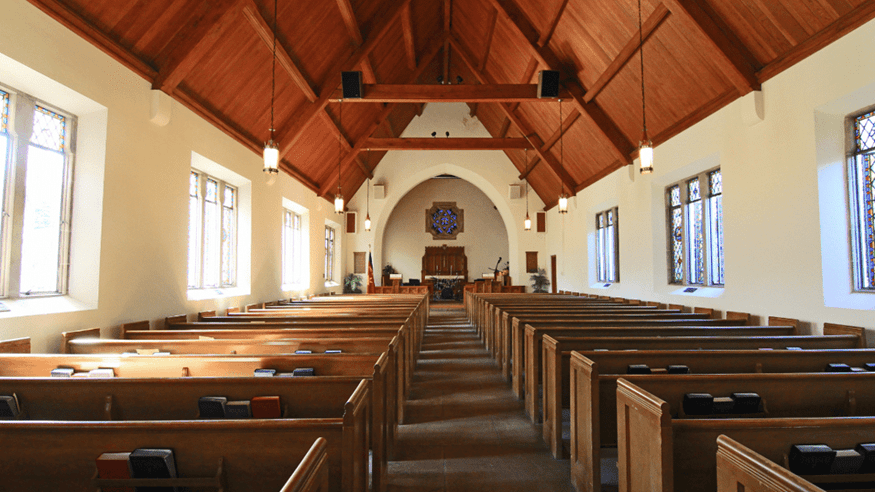
Apparently, large numbers of people who once identified as Christians have decided they no longer need to attend church. While COVID may have been the impetus behind this exodus, the root causes are preexisting and go much deeper. Too many Christians think of church as they would an event, concert, or TED Talk, optional experiences that can just as easily be consumed remotely.
When combined with pastors and leaders who view the core purpose of church as evangelism rather than discipleship or worship and are therefore willing to do whatever seems to “work,” success is just as easily measured by logins and views after the pandemic as it was by attendance numbers and growth size before the pandemic.
Much is behind these shifting numbers. First and foremost, God continues to prune and winnow His Church, seeking the health of His Beloved. The broader cultural shift away from truth-claims and anything that smacks of traditional morality has only intensified in recent years. And, we should at least consider the possibility that the decline in both numbers and influence is, at least in part, a self-inflicted wound.
To be continued in tomorrow’s post. Blessings, Ed
 Walking With Jesus