“Don’t be afraid of those who want to kill your body; they cannot touch your soul. Fear only God, who can destroy both soul and body in hell.” (Matthew 10:28 NLT)
Obviously, our soul is not preexistent, in the sense it was present before God created humankind, so, the real question becomes, does our soul have an end? The verse above states clearly that God has the capacity to destroy our soul in hell, but what does that mean? Does it mean it ceases to exist?
The Lord has shown me at least two ways to gain a clearer understanding of Scripture. First, the best interpreter of Scripture is Scripture. If you find a confusing or hard to understand verse(s) or teaching, keep reading. The worst enemy of a clear understanding of Scripture is taking it out of context. Proof-texting is the enemy of the Church and has been an issue as long as there has been Scripture.
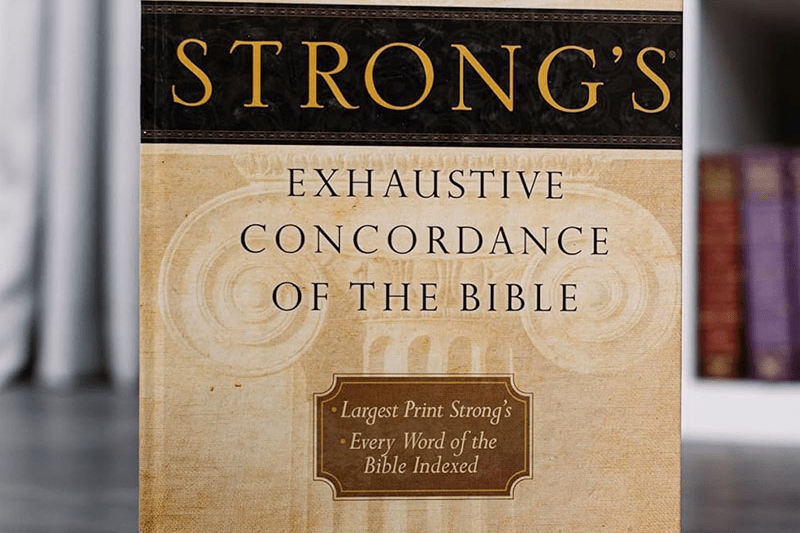
The second tool that has proven invaluable is an exhaustive Concordance. Few people, including many Pastors, have a command of the Biblical languages. A Concordance defines the words used in the Bible, seeking to give you an understanding of what the word meant in its original context.
So, let’s look first at Matthew 25:46 where Jesus says: “And they will go away into eternal punishment, but the righteous will go into eternal life.” Who are “they” who will go away into eternal punishment? And who are “the righteous”? “They” are those who will be refused entrance into God’s eternal Kingdom because they refused to submit to the Lord’s authority in their lives, were not attentive to the needs of those He placed on their paths and because they didn’t place their trust in Jesus as Savior.
On the other hand, “the righteous” are those who prioritized their devotion to the Lord and made Him visible through their efforts to help those in their spheres of influence see Jesus more clearly through their loving kindness and service to them. The issue is Lordship: who owns our heart, mind, soul, and body? To whom or what have we given our allegiance?
The truth is, the Lord can do with us as He pleases whether we serve Him or not, and He will prove that at the end of time, but the issue in front of us is does “death” extinguish our existence or does it lead to eternal life somewhere? My contention, based on the clear teaching of God’s Word, is that God plants eternity in our heart (Ecclesiastes 3:11) at birth and never extinguishes it. “Yeh, but what about the verse above where Jesus said God “can destroy both soul and body in hell”?
The word Jesus used that is translated “destroy” in many English translations is “apollumi” (ap-ol’-loo-mee) and it means “to put out of the way entirely, abolish, put an end to, ruin; render useless; to kill; to declare that one must be put to death; metaphor meaning to devote or give over to eternal misery in hell; to perish, to be lost, ruined, destroyed.”
Jesus used many illustrations (parables), stories and expressions that were metaphors or pictures of things to help people understand what they had little or no frames of reference to understand. Throughout the Bible death is illustrated as separation from life, existence in life in our earthly bodies without Jesus, but not separation from consciousness and awareness of our surroundings, not even after leaving this life.
As sin separates us from God in this life, death separates us from Him in the next. That’s why Jesus’ victory on the Cross is so critical, as through His death He paid the penalty for our sin, overcame death, and the grave by His blood, purchasing for us the gift of life with Him for all eternity.
Death ends (destroys) our physical life on earth, but not the life of our soul, the essence of who we are. Our soul is eternal, but if we don’t submit our life to the Lord while there’s time, we will forever be separated from life’s Author, the Lord Jesus. If you don’t know for sure when you close your eyes in death they will open in the presence of the Lord Jesus, please tap anewstory.com and allow Ron Hutchcraft to help you know you have eternal life.
Food for thought.
Blessings, Ed 😊


I loved they way you described death of the soul, as “to devote or give over to eternal misery in hell; to perish, to be lost, ruined, destroyed“, which helps us to fully understand what Matt. 10:28 is actually saying, because without the true meaning of the Greek text, one could very easily be confused and think that the soul/consciousness are destroyed in Hell. When it’s really about the soul/consciousness being tormented for eternity. Thanks, Steve
LikeLiked by 1 person